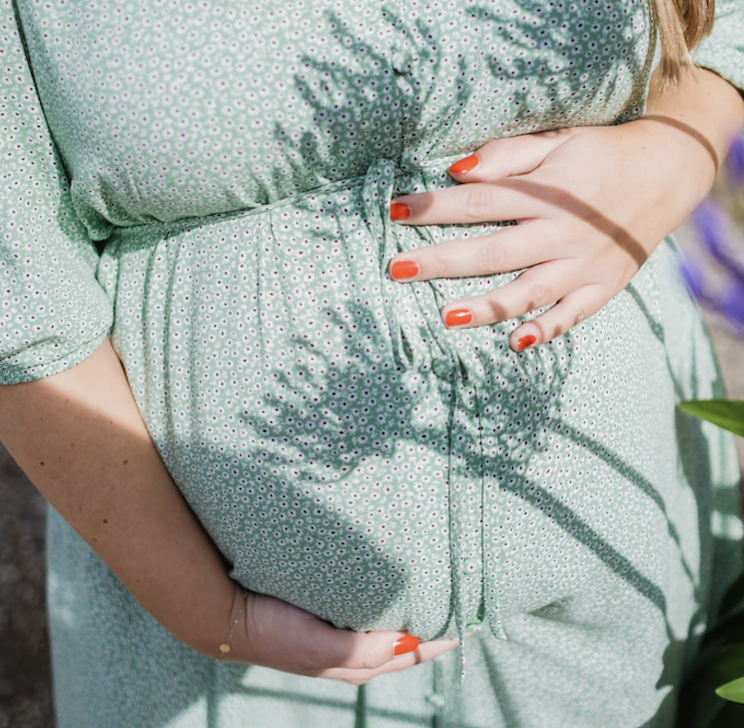


Why Hydration Is Essential When Traveling During Pregnancy
Traveling while pregnant requires extra care, especially when it comes to hydration. Your body already works harder to support increased blood volume, amniotic fluid, and your growing baby. When you add long travel hours or flights, your fluid needs rise even more. Staying hydrated helps you feel more comfortable, reduces travel stress, and supports your overall wellbeing.
Hydration is linked to your energy levels, digestion, circulation, and temperature regulation. When you are pregnant, all of these functions are more sensitive. Proper fluid intake helps maintain comfort during long periods of sitting. It also helps reduce the risk of swelling, headaches, and fatigue during travel.
Travel environments can be dehydrating, especially at high altitudes or in dry climates. Flights in particular expose you to air that pulls moisture from your body quickly. This is why understanding hydration during travel is important for every expecting mother.
Increased fluid needs for expecting mothers
- Pregnant women need more water because their body is producing extra fluid
- Hydration supports energy, circulation, and healthy digestion
- Extra water intake helps reduce swelling and discomfort during travel
Why travel increases dehydration risk altitude, dry air, long sitting
- Airplane cabins pull moisture from your skin and lungs very fast
- Long sitting reduces circulation which raises your fluid needs
- Warm climates and long trips increase sweat loss
How dehydration affects energy, comfort and pregnancy wellbeing
- Low fluid levels can cause tiredness, dizziness, or headaches
- Dehydration may increase nausea or muscle cramps during travel
- Proper hydration supports a more comfortable and calmer trip
How to Stay Hydrated While Traveling Pregnant
Staying hydrated during travel is easier when you plan ahead. You can avoid dehydration by drinking small amounts of water often. A reusable bottle or electrolyte sachet can help you stay consistent. Regular fluid intake keeps your body comfortable while reducing travel fatigue.
Knowing the signs of dehydration is important. Early symptoms may appear mild but can become uncomfortable quickly. These signs are easy to manage when noticed early.
It also helps to balance hydration to avoid frequent restroom breaks. Small sips are better than large amounts at once. This keeps your body hydrated without discomfort.
How often to drink water during flights and long drives
- Take small sips every twenty to thirty minutes
- Avoid drinking a large amount at once to stay comfortable
- Carry a water bottle so you always have fluids nearby
Signs you need more fluids thirst, dizziness, headaches, fatigue
- Feeling thirsty is an early sign that you need water
- Mild headaches or light dizziness may appear during travel
- Low energy or heavy tiredness can signal dehydration
Balancing hydration to avoid frequent discomfort bathroom breaks, bloating
- Drink slowly to avoid bloating or stomach discomfort
- Sipping often helps you avoid urgent restroom stops
- Choose water over sugary drinks for easier digestion
Tips for Flying While Pregnant: Beating Plane Dehydration
Flying can be dehydrating for anyone, but pregnant travelers feel it more quickly. Airplane cabins have very low humidity levels which pull water from your body. This makes consistent hydration even more important. Choosing the right seat and planning your intake helps make the flight easier.
Moving often is also important during flights. It supports circulation and helps reduce swelling. Even small stretches in your seat help improve comfort.
Managing discomforts like swelling or motion sickness is easier when you stay hydrated. Simple steps can make your flight calm and comfortable.
Dry cabin air and its effect on hydration
- Airplane air is very dry which increases fluid loss
- The cabin environment pulls moisture from your skin and breathing
- Drinking often helps prevent dryness and discomfort
Smart hydration windows before boarding, mid flight, landing
- Drink water before boarding to start the flight hydrated
- Take sips throughout the flight to stay comfortable
- Drink again before landing to refresh your body
Choosing aisle seats for comfort and hydration friendly mobility
- Aisle seats make it easier to get up and stretch
- They allow more bathroom access when needed
- Extra movement improves circulation and comfort
Managing swelling, circulation and motion sickness
- Staying hydrated reduces swelling in legs and feet
- Gentle stretching helps boost circulation
- Light fluids can ease motion sickness sensitivity
Using HydroBump During Travel
HydroBump can help support hydration during long trips. It contains electrolytes that help your body hold fluids more effectively. This can be especially helpful in dry airplane environments or while traveling through hot climates. Many travelers find electrolytes useful for reducing fatigue and keeping energy steady.
HydroBump is easy to carry, making it ideal for flights, road trips, or long layovers. Sachets are small enough to fit in a purse or travel kit. You can mix them with water anywhere using a bottle or cup.
Knowing when to take HydroBump can improve comfort during travel. Timing it around meals, activity, or fatigue makes it more effective.
When to take HydroBump during long trips
- Take it when you start feeling tired or thirsty
- Use it during long travel hours for steady hydration
- It helps during dry climates or long sitting periods
Safe timing before or after meals
- You can use HydroBump before meals for gentle hydration
- After meals it supports digestion and comfort
- Choose timing that feels best for your routine
How many sachets to carry for flights or road trips
- Pack one or two sachets for short trips
- Longer trips may need extra depending on your needs
- Keep them in an easy to reach pocket or pouch
How to mix sachets on the go airports, hotels, reusable bottles
- Add one sachet to a bottle of clean water
- Shake or stir until fully dissolved
- Mix it in reusable bottles for convenience
Why electrolytes help with altitude, heat and long travel fatigue
- Electrolytes support better fluid absorption
- They help reduce tiredness caused by heat or long sitting
- They help maintain balance during travel stress
Smart Travel Snacks and Nutrition Tips
Travel snacks can help maintain hydration and comfort. Choosing foods that contain water keeps your body refreshed. Light snacks also support digestion and reduce nausea during motion.
Avoiding heavy or salty foods prevents bloating and discomfort. Many expecting mothers benefit from simple meals that are easy on the stomach. Good nutrition supports consistent energy during travel.
A balance of fluids and light foods keeps you stable and refreshed throughout the journey.
Snacks that help hydration fruits, yogurt, veggies
- Fresh fruit adds water and natural sweetness
- Yogurt supports gentle digestion
- Veggies provide hydration and fiber
Avoiding excessive sugar and salty foods while pregnant
- Sugar can cause energy swings during travel
- Salty snacks increase bloating and thirst
- Light foods help your body stay balanced
Light meals that prevent nausea and motion sickness
- Small meals reduce stomach discomfort
- Mild flavors help prevent nausea
- Eating slowly supports better comfort while moving
Adjusting Hydration for Climate and Destination
Your destination may affect how much water you need. Hot climates increase sweat loss and require more fluids. Cold environments can also cause dehydration because you may not feel thirsty. Humid weather affects how your body manages sweat and electrolytes.
Planning for climate helps you stay comfortable and safe during your trip. Hydration needs shift depending on temperature and activity.
Electrolyte support may help in extreme weather conditions.
Hot climates increasing water intake safely
- Your body loses more fluid in heat
- Drink more often throughout the day
- Light clothing helps reduce fluid loss
Cold climates why hydration still matters
- Cold air can dry out your skin and breathing
- Thirst feels weaker but the need is still strong
- Warm water may feel more comfortable to drink
Humid environments and electrolyte balance
- Humidity affects how sweat evaporates
- Hydration keeps your body cool and comfortable
- Electrolytes help restore mineral balance
What to Pack: Pregnancy Friendly Travel Hydration Checklist
A good travel hydration kit keeps you prepared. Simple items make staying hydrated much easier. Packing ahead reduces stress and helps your trip go smoothly.
Comfort items also support circulation and reduce swelling. Small essentials make a big difference on flights and long drives.
Choose items that are easy to carry and quick to use.
- Reusable water bottle
- HydroBump sachets and mixing kit
- Healthy snacks for motion sickness prevention
- Compress socks and comfort essentials
Conclusion: Stay Consistent, Listen to Your Body and Travel Safely
Pregnancy travel can be safe and comfortable when you focus on hydration and simple routines. Drinking often, choosing light snacks, and using electrolytes like HydroBump can help you feel steady and refreshed throughout long trips. Paying attention to your body and adjusting based on climate or activity ensures a healthier and more enjoyable travel experience. If you have any medical concerns or special conditions, always speak with a healthcare professional before your journey.
Contact Us:
For questions or guidance on using HydroBump during travel, feel free to contact us anytime.