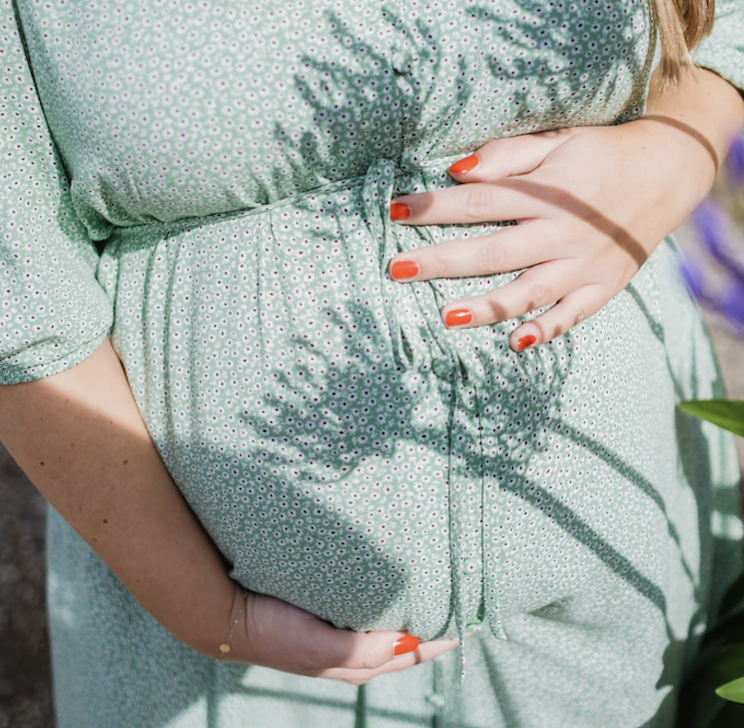


Nausea during pregnancy is one of the most common early pregnancy symptoms. For many women, it begins around the sixth week of pregnancy and may continue through the first trimester. Some experience mild morning sickness, while others feel nauseated throughout the day.
The good news is that hydration and nutrition are among the safest and most effective first line strategies for managing pregnancy nausea. Simple changes in eating and drinking habits can often reduce symptoms and help you feel more comfortable.
In this article, you will learn why nausea happens during pregnancy, which foods may help relieve it, what foods and drinks may make it worse, practical hydration tips, and when persistent nausea may need medical attention.
Why Nausea Happens During Pregnancy
Pregnancy causes several changes in the body that can trigger nausea and vomiting. Understanding these changes can make the symptoms feel less alarming and help you manage them more effectively.
One of the main causes is the rise in pregnancy hormones, especially human chorionic gonadotropin and estrogen. Higher hormone levels are strongly associated with nausea, particularly during the first trimester when these hormones increase rapidly.
Many pregnant women also become more sensitive to smells and tastes. Foods that were once enjoyable may suddenly seem unpleasant, and even mild odors such as coffee, perfume, or cooking smells can trigger nausea.
Digestion naturally slows during pregnancy because progesterone relaxes the muscles of the digestive tract. This slower movement of food can lead to bloating, fullness, and increased nausea.
Mild to moderate nausea is common in pregnancy. However, severe symptoms such as persistent vomiting, inability to keep fluids down, weight loss, or signs of dehydration may indicate a more serious condition that requires medical attention.
Foods That May Help Relieve Pregnancy Nausea
Eat Small, Frequent Meals
An empty stomach often makes nausea worse. Many women find that eating a small amount of food every two to three hours is easier than trying to eat three large meals.
Helpful strategies include:
-
Eat a few bites before you become very hungry.
-
Keep dry snacks such as crackers or plain biscuits nearby.
-
Have a small snack before getting out of bed in the morning.
Frequent eating can help maintain stable blood sugar levels, which may reduce feelings of nausea.
Choose Bland, Easy to Digest Foods
Bland foods are often better tolerated because they have a mild taste and are less likely to irritate the stomach.
Common options include:
-
Plain crackers
-
Toast
-
Rice
-
Oatmeal
-
Bananas
-
Plain potatoes
These foods provide carbohydrates that are easy to digest and can help settle the stomach. During difficult days, choosing foods you can tolerate is more important than trying to eat a perfect diet.
Include Protein Rich Snacks
Adding small amounts of protein throughout the day may help reduce nausea for some pregnant women. Protein can promote a longer feeling of fullness and may help stabilize blood sugar.
Simple protein rich snacks include:
-
Yogurt
-
Nuts
-
Hard boiled eggs
-
Cheese
-
Nut butter on toast or crackers
Try pairing protein with a bland carbohydrate, such as cheese and crackers or yogurt with a small portion of fruit.
Ginger and Vitamin B6
Ginger has some of the strongest evidence among natural remedies for pregnancy related nausea. Many women find it helpful when used in moderate amounts.
Safe forms of ginger may include:
-
Ginger tea
-
Fresh ginger added to warm water
-
Ginger biscuits or ginger candies made with real ginger
Vitamin B6 is also commonly used for nausea relief during pregnancy, but it should be taken only according to the advice of your healthcare provider, who can recommend the appropriate dose and ensure it is suitable for you.
Foods and Drinks That May Worsen Nausea in Pregnancy
Certain foods are more likely to trigger nausea, especially when symptoms are already present. Identifying your personal triggers can make a significant difference.
Greasy and fried foods tend to stay in the stomach longer and may increase feelings of fullness and nausea. Spicy foods can irritate the digestive tract and worsen symptoms for some women.
Strong smelling foods are another common trigger. Hot foods usually have a stronger aroma than cold foods, so choosing cold or room temperature meals may help.
Very sweet foods and sugary drinks can cause rapid changes in blood sugar and may increase nausea in some cases. Large meals can overstretch the stomach and make discomfort worse.
Moderate caffeine intake is generally considered acceptable during pregnancy, but excessive caffeine may contribute to nausea, dehydration, and stomach irritation. Discuss your caffeine intake with your healthcare provider if you are unsure what is appropriate for you.
Hydration Tips for Nausea Relief During Pregnancy
Sip Fluids Frequently
Drinking a large glass of water at once can sometimes trigger vomiting. Small, frequent sips are often easier to tolerate.
Keep a bottle of water nearby throughout the day and take a few sips every few minutes. Many women find that staying consistently hydrated prevents nausea from becoming more severe.
Try Cold or Flavored Fluids
Cold fluids are often better tolerated than warm drinks because they have less smell and may feel more refreshing.
You can try:
-
Chilled water
-
Lemon infused water
-
Mint infused water
-
Electrolyte drinks if recommended by your healthcare provider
If plain water is unappealing, adding a slice of lemon or orange may make it easier to drink.
Eat Hydrating Foods
Fluids do not have to come only from drinks. Many foods contain a high amount of water and can contribute to hydration.
Good choices include:
-
Cucumber
-
Oranges
-
Soups
-
Clear broths
These foods can be especially helpful when drinking liquids feels difficult.
Signs You May Be Getting Dehydrated
Nausea and vomiting can lead to dehydration more quickly than many people expect. Contact your healthcare provider if you notice:
-
Dark yellow urine
-
Dizziness or lightheadedness
-
Dry mouth
-
Reduced urination
-
Feeling unusually weak or faint
Early treatment of dehydration can help prevent more serious complications.
A Simple Daily Eating Pattern for Pregnancy Nausea
Having a gentle eating routine can make it easier to meet your nutritional needs even when nausea is present.
Morning: Eat a few dry crackers before getting out of bed. Follow with a small breakfast that includes protein, such as toast with nut butter or yogurt with oats.
Mid morning: Choose a light snack such as fruit and yogurt.
Lunch: A simple meal of rice, chicken, and cooked vegetables is often easier to tolerate than a heavy meal.
Afternoon: Try nuts, cheese and crackers, or another small protein rich snack.
Dinner: Keep the meal smaller and lighter than usual. Avoid overeating, even if you feel better later in the day.
Evening: If nausea occurs overnight, a gentle snack such as plain crackers or a small banana may help.
This pattern is only an example. Adjust it based on your appetite, cultural food preferences, and the foods you tolerate best.
When Nausea During Pregnancy May Need Medical Attention
Contact Your Healthcare Provider If You Have
Seek medical advice if you experience any of the following:
-
Vomiting multiple times per day
-
Inability to keep fluids down for several hours
-
Weight loss
-
Signs of dehydration
-
Blood in the vomit
-
Severe dizziness or fainting
These symptoms suggest that nausea is affecting your health more significantly and may require treatment.
Understanding Hyperemesis Gravidarum
Hyperemesis gravidarum is a severe form of pregnancy related nausea and vomiting. It is more than typical morning sickness and can lead to dehydration, electrolyte imbalances, and weight loss.
Women with suspected hyperemesis gravidarum need medical assessment. Treatment may include prescription medications, intravenous fluids, and nutritional support. Early treatment can improve symptoms and help protect both maternal and fetal health.
Supporting Your Pregnancy with Good Nutrition
Consistent hydration and balanced nutrition support both you and your growing baby. During periods of nausea, focus on what you can tolerate rather than aiming for a perfect diet every day.
Even small amounts of nutritious food eaten regularly can provide important energy and nutrients. As nausea improves, you can gradually return to a more varied and balanced eating pattern.
Individual needs vary from person to person. If you are struggling to eat well, have dietary restrictions, or are losing weight, personalized guidance from a healthcare provider or registered dietitian can be very helpful.
Learn more about Pregnancy Nutrition and how to support your changing nutritional needs throughout pregnancy.
Conclusion
Nausea during pregnancy can be exhausting, but many women find meaningful relief through simple, evidence based changes to hydration and eating habits. Small frequent meals, bland foods, protein rich snacks, ginger, and steady fluid intake are often the most effective natural strategies. Avoiding trigger foods and recognizing signs of dehydration are equally important. While mild pregnancy nausea is common, persistent vomiting, weight loss, or difficulty keeping fluids down should never be ignored. If symptoms become severe, seek medical advice promptly to protect both your health and your baby’s wellbeing. For personalized guidance and support during your pregnancy, please Contact Us and our team will be happy to help.