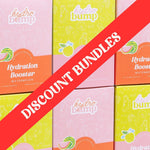


Breastfeeding is a demanding stage of motherhood, and staying hydrated is an important part of looking after yourself while feeding your baby. Nursing mothers may notice increased thirst throughout the day, particularly during or after breastfeeding and pumping sessions. Having an enjoyable and convenient drink nearby can make it easier to maintain regular fluid intake.
Lactation hydration drink are designed to support this routine. Depending on the formula, they may contain electrolytes, selected vitamins and minerals, or traditional ingredients commonly associated with breastfeeding. However, they should be viewed as a convenient addition to a balanced breastfeeding routine rather than a guaranteed way to increase milk supply.
HydroBump offers hydration products designed with pregnancy and postpartum needs in mind, including convenient sachets that can be mixed with water. Understanding what these drinks contain and what they can realistically offer can help breastfeeding mothers make a more informed choice.
What Are Lactation Hydration Drinks?
Lactation hydration drinks are beverages or drink mixes designed to make hydration more convenient during breastfeeding. Unlike plain water, some products may provide electrolytes, flavour, vitamins, minerals or ingredients traditionally associated with lactation support.
Breastfeeding can make mothers feel thirsty more often, so having a drink that is convenient and enjoyable may encourage consistent fluid intake. This can be particularly useful during busy days when caring for a newborn makes it easy to forget about your own hydration.
It is also important to understand the difference between hydration and milk-supply products. A hydration drink primarily focuses on helping you maintain fluid intake. A product marketed as a lactation drink may additionally contain ingredients traditionally used as galactagogues, which are substances intended to support milk production. Neither type should be considered a guaranteed solution for low milk supply.
Potential Benefits of Lactation Hydration Drinks
Lactation hydration drinks can offer several practical benefits for mothers who want a convenient way to support their daily fluid intake. The benefits depend on the ingredients and formulation of the individual product.
Supporting Everyday Hydration
Breastfeeding can increase thirst, making regular fluid intake an important part of a mother's daily routine. Keeping a drink within easy reach during feeds can make staying hydrated much simpler.
A flavoured hydration drink may also be more appealing than plain water for some mothers. The key is choosing a product that you enjoy and can comfortably include in your normal routine.
Replacing Electrolytes
Electrolytes such as sodium and potassium are involved in normal fluid balance and other essential functions in the body. Some breastfeeding mothers may prefer a drink that provides electrolytes alongside fluids.
This can be particularly appealing during long or busy postpartum days when drinking enough can be challenging. However, the amount and type of electrolytes vary between products, so checking the nutrition and ingredient information is important.
Convenience and Routine
Convenience can be one of the biggest advantages of a hydration drink. Sachets can be stored at home, packed into a hospital or changing bag, or taken when travelling.
HydroBump uses portioned sachets that are designed to be mixed with water, making them a practical option for mothers who want a quick drink during a breastfeeding or pumping session.
Common Ingredients in Lactation Drinks
Lactation drinks can contain a combination of hydration-focused ingredients and herbs traditionally associated with breastfeeding. However, the presence of a particular ingredient does not guarantee that it will increase breast milk production.
Common ingredients can include:
-
Fenugreek: Traditionally used as a galactagogue, although research results are mixed and it may not be suitable for everyone.
-
Moringa: Frequently included in lactation products and traditional breastfeeding diets.
-
Fennel: Traditionally associated with breastfeeding support and commonly found in herbal lactation formulations.
-
Ginger: Often included for flavour and its traditional nutritional use.
-
Electrolytes: Included to support normal fluid balance.
-
Vitamins and minerals: Some products contain selected nutrients to complement the overall nutritional profile.
It is worth remembering that evidence for many herbal galactagogues remains limited. If you are breastfeeding and considering a product containing herbs, read the ingredient list carefully and seek professional advice if you are unsure whether a particular ingredient is appropriate for you.
Can Lactation Drinks Increase Breast Milk Supply?
This is one of the most important questions mothers may have when considering lactation drinks. Galactagogues are substances traditionally or clinically used with the aim of supporting milk production, which is why certain herbs are included in some lactation products.
However, there is no single drink that can guarantee increased breast milk production. Milk supply is influenced by several factors, including how frequently and effectively milk is removed from the breasts, breastfeeding technique, latch, maternal wellbeing and individual circumstances.
Adequate nutrition and hydration are important parts of supporting your overall wellbeing while breastfeeding, but simply drinking more fluids does not automatically result in more milk. If you are concerned that your baby is not getting enough milk or that your supply is low, professional breastfeeding support is more appropriate than relying solely on a beverage.
Lactation drinks can complement breastfeeding, but they should not be treated as a stand-alone solution for low milk supply. A qualified lactation consultant, midwife or healthcare professional can help identify potential causes and provide personalised guidance.
How to Choose the Right Lactation Hydration Drink
With many hydration and lactation products available, comparing the formula rather than relying solely on marketing claims can help you choose an option that suits your needs.
Check the Ingredient List
Look for a clear and easy-to-understand ingredient list. Consider why each ingredient has been included and whether it is suitable for your individual circumstances.
If a product contains herbal ingredients, research them carefully and consider speaking with a healthcare professional if you have questions about their suitability while breastfeeding.
Consider Sugar and Calories
Some flavoured hydration drinks contain added sugar, while others are formulated with lower amounts. Checking the nutrition panel can help you understand what you are consuming as part of your daily routine.
HydroBump describes its formula as low in sugar, which may appeal to mothers who want a flavoured hydration option without a high sugar content.
Look at Electrolyte Content
If hydration is your main priority, check whether the product contains electrolytes and understand the amounts provided. Not every hydration drink has the same electrolyte profile.
Electrolytes can complement fluid intake, but more is not necessarily better. Choose a formulation that fits your normal dietary and hydration needs.
Consider Dietary Requirements
Dietary suitability is another important consideration, particularly for mothers who follow a specific eating pattern or have food sensitivities.
When comparing products, consider:
-
Vegan or vegetarian suitability
-
Gluten-free requirements
-
Allergens and sensitivities
-
Artificial ingredients or sweeteners
HydroBump currently describes its formula as vegan, cruelty-free, gluten-free and low in sugar, which may make it suitable for mothers looking for these characteristics.
Choose Something You Will Actually Drink
The best hydration product is one that fits naturally into your routine. If you enjoy the flavour and find the preparation convenient, you may be more likely to drink it consistently.
Taste, portability, preparation time and serving format can therefore be just as important as the ingredient list when choosing a lactation hydration drink.
How to Include Lactation Drinks in Your Breastfeeding Routine
There is no need to make hydration complicated. Keeping a drink beside your usual breastfeeding or pumping area can serve as a simple reminder to drink when you are thirsty.
You can also keep individual sachets in a handbag or changing bag when heading away from home. This can make it easier to prepare a drink when you are travelling or spending several hours outside.
Hydration drinks should complement regular meals and snacks rather than replace them. Breastfeeding mothers still need a varied, balanced diet that provides energy and essential nutrients.
HydroBump recommends mixing its sachets with 200 ml of water and states that its product can be consumed at 1 to 3 sachets per day. Product instructions can differ, so always follow the serving guidance provided for the specific product you are using.
Are Lactation Hydration Drinks Safe While Breastfeeding?
Safety depends on the individual product and its ingredients. While hydration itself is an essential part of everyday wellbeing, some lactation products contain herbs or other active ingredients that may not be suitable for everyone.
Always read the complete ingredient list and follow the manufacturer's recommended serving size. If you have allergies, food sensitivities, take medication or have a medical condition, consider discussing the ingredients with your doctor or pharmacist.
If you are unsure about an herbal ingredient during breastfeeding, a midwife, lactation consultant, doctor or pharmacist can provide advice based on your individual circumstances. Professional support is particularly important if you have concerns about your baby's feeding, weight gain or your milk supply.
Lactation Hydration Drinks vs Plain Water
Plain water remains a simple and effective way to maintain normal hydration. You do not need a specialised drink to stay hydrated while breastfeeding.
However, lactation hydration drinks can offer additional convenience, flavour and, depending on the formula, electrolytes or selected nutrients. For some mothers, having a more enjoyable option may make it easier to drink regularly throughout a busy day.
The right choice ultimately depends on your personal preferences, dietary requirements and individual hydration needs. A hydration drink can complement your fluid intake, while plain water can continue to be an important part of your daily routine.
Conclusion
Lactation hydration drinks can be a convenient way for breastfeeding mothers to make hydration part of their daily routine. Increased thirst during breastfeeding can make having an enjoyable drink nearby useful, while some formulas also provide electrolytes, vitamins, minerals or traditional lactation-focused ingredients. However, mothers should evaluate products based on their actual ingredients and realistic benefits rather than expecting a drink to automatically increase breast milk supply. Herbal ingredients such as fenugreek, moringa and fennel are traditionally associated with lactation support, but they are not guaranteed to work for everyone. Effective and regular milk removal, appropriate breastfeeding support, balanced nutrition and overall wellbeing remain important factors when it comes to breastfeeding. When choosing a product, consider the ingredient list, sugar content, electrolyte profile, dietary requirements, serving instructions and convenience. HydroBump provides pregnancy and postpartum hydration options designed to fit easily into everyday routines, giving mothers another convenient way to support their fluid intake.
Contact us to learn more about HydroBump's hydration options and find a product that fits your pregnancy, postpartum or breastfeeding routine.
Frequently Asked Questions
```