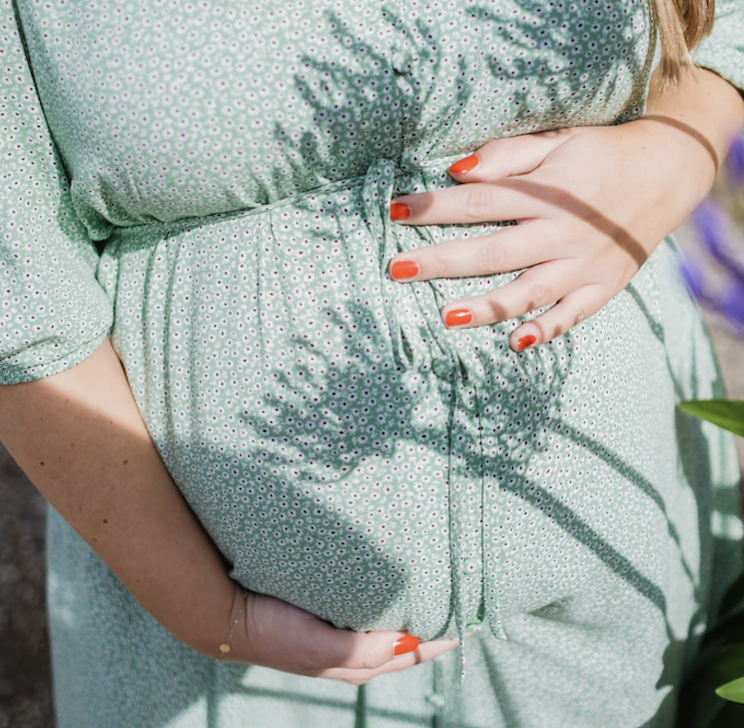


Pregnancy changes your body in many ways. One important change is your need for fluids. Your blood volume increases, your baby is growing, and your body needs water to support many normal pregnancy processes.
So, how much water should you drink when pregnant? Is the usual advice of eight glasses a day enough?
The answer is not quite that simple.
Australian Nutrient Reference Values provide a useful guide. For pregnant women aged 19 to 50, the Adequate Intake is 3.1 litres of total water each day. This includes water from food and drinks. About 2.3 litres of this comes from fluids such as plain water, milk and other drinks.
Your personal needs can still vary. Hot weather, exercise, sweating, vomiting, illness and other factors can increase your fluid needs.
This guide explains hydration during pregnancy in a practical way. You will learn how much fluid you may need, signs of dehydration, the role of electrolytes, hydrating foods and drinks, and simple ways to make pregnancy hydration easier.
This article is for general education only. It does not replace personalised medical advice. Always follow the advice of your GP, obstetrician, midwife or dietitian, especially if you have a medical condition or are experiencing persistent vomiting or dehydration.
Why Hydration Is So Important During Pregnancy
Water is an essential nutrient. Your body needs it for digestion, circulation, temperature control, nutrient transport and many other functions.
During pregnancy, your body has extra work to do. Blood volume expands, your baby and placenta develop, and amniotic fluid needs to be maintained.
Good hydration supports these changes. It can also help you feel more comfortable as your pregnancy progresses.
Supporting increased blood volume
Blood volume rises during pregnancy. This helps support circulation between you, the placenta and your developing baby.
The Australian Nutrient Reference Values recognise increased water needs during pregnancy because of the expanding fluid space, the needs of the fetus and amniotic fluid.
Hydration therefore becomes an important part of supporting your body's changing needs.
Supporting amniotic fluid and your growing baby
Amniotic fluid surrounds your baby and provides a protective environment during pregnancy.
Adequate fluid intake is one part of maintaining normal pregnancy hydration. Your body also regulates fluid levels through several complex processes.
This is why drinking regularly is important rather than waiting until you feel very thirsty.
Supporting digestion and bowel regularity
Constipation is common during pregnancy. Hormonal changes, reduced activity and changes in diet can all play a role.
Drinking enough fluid can support normal bowel function. It also works alongside fibre-rich foods and regular movement.
A simple habit such as keeping a water bottle nearby can make it easier to drink regularly throughout the day.
Supporting temperature regulation and everyday energy
Your body uses water to help regulate temperature. This becomes especially important during hot Australian weather or physical activity.
Not drinking enough may leave you feeling thirsty, tired, light-headed or headachy.
These symptoms can have many causes during pregnancy. However, they are useful reminders to check whether you have been drinking regularly.
How Much Water Should You Drink During Pregnancy?
The best answer depends on your individual needs, but Australian guidance provides a useful starting point.
For pregnant women aged 19 to 50, the Australian Nutrient Reference Values list an Adequate Intake of 3.1 litres of total water per day. Around 2.3 litres comes from fluids, including plain water, milk and other drinks. The remaining water can come from food.
This means you do not need to drink 3.1 litres of plain water.
Your body may need more or less fluid depending on your circumstances. Your healthcare professional can provide personalised advice if your needs differ from the general reference.
General daily fluid recommendations
It helps to understand the difference between total water and fluids.
Total water includes water from everything you eat and drink. Fluids include drinks such as water, milk and other beverages.
For pregnant women aged 19 to 50, the Australian reference is:
-
Total water: 3.1 litres per day from food and fluids
-
Fluids: 2.3 litres per day from drinks
-
Equivalent: about 9 cups of fluid per day
These figures are an Adequate Intake based on population data. They are not a strict target that every pregnant woman must hit every day.
Does your water intake need to change by trimester?
There is no universal Australian recommendation that says every woman must drink a different number of litres in each trimester.
Your hydration needs can change as pregnancy progresses. Your symptoms, activity levels, environment and overall health can all affect how much you need.
In the first trimester, nausea and vomiting can make regular drinking more difficult.
In the second trimester, your body continues to adapt to pregnancy and its changing fluid demands.
In the third trimester, staying consistent with fluids remains important as your pregnancy progresses.
The focus should be on regular intake rather than trying to follow a rigid trimester-by-trimester number.
When might you need more fluids?
Some situations can increase your fluid needs.
These include:
-
Hot Australian weather
-
Exercise and physical activity
-
Heavy sweating
-
Vomiting
-
Diarrhoea
-
Fever or illness
-
Spending a long time outdoors
-
Feeling more thirsty than usual
If you are losing a lot of fluid, drinking more may not always be enough. Persistent vomiting or difficulty keeping fluids down needs medical attention.
What Are the Signs You May Not Be Drinking Enough?
Your body can give you several clues when you may need more fluids.
Pregnancy can also cause symptoms such as tiredness, headaches and dizziness for other reasons. So, do not use one symptom alone to diagnose dehydration.
Instead, look at the overall picture.
Common signs of dehydration during pregnancy
Possible signs include:
-
Dark or concentrated urine
-
Increased thirst
-
Headache
-
Dizziness or light-headedness
-
Fatigue or weakness
-
Dry mouth
-
Reduced urination
Urine colour can be a useful everyday reminder. Very dark urine may suggest that you need more fluids, although urine colour can also be affected by medicines, supplements and other factors.
If you are unsure, speak with your healthcare professional.
When dehydration needs medical attention
Seek medical advice if you are struggling to maintain your fluid intake.
This is especially important if you have persistent vomiting, very little urination, severe dizziness or significant weakness.
If morning sickness means you cannot keep fluids down, contact your doctor or maternity care provider. Severe vomiting during pregnancy can cause dehydration and may require medical treatment.
Do not wait until you feel extremely unwell before asking for help.
What Are the Best Drinks for Hydration During Pregnancy?
For most everyday situations, plain water should be the foundation of pregnancy hydration.
However, water is not the only source of fluid. Some nutritious drinks can also contribute to your daily fluid intake.
The best choice depends on your needs, preferences and pregnancy symptoms.
Is water the best drink during pregnancy?
Yes, plain water is a simple and effective everyday choice.
It provides fluid without added sugar, caffeine or other unnecessary ingredients.
Keeping water close to you can make regular drinking much easier. You can use a reusable bottle at home, work, in the car or when travelling.
Can milk, smoothies and other drinks count?
Yes. Milk and other suitable drinks contribute to total fluid intake.
Smoothies can also provide fluid while adding useful nutrients. Yoghurt-based smoothies can be particularly practical when appetite is low.
The overall quality of the drink still matters. Choose nutritious options that fit your pregnancy diet and personal needs.
Are electrolyte drinks useful during pregnancy?
Electrolytes can be useful when you have increased fluid or mineral losses.
They are not a replacement for everyday water. Instead, they can provide additional support in situations such as vomiting, heavy sweating, exercise or hot weather.
HydroBump's existing electrolyte resources explain how minerals such as sodium, potassium and magnesium support fluid balance, nerve function and muscle function.
Which drinks should you limit?
Some drinks are better limited during pregnancy.
Alcohol should be avoided during pregnancy because no safe level has been identified.
Caffeine should also be limited. Australian pregnancy nutrition guidance recommends limiting caffeine and avoiding caffeinated energy drinks.
Highly sugary drinks and energy drinks are generally not ideal everyday hydration choices. Water and nutritious drinks are better foundations for your daily fluid intake.
Can Food Help With Hydration During Pregnancy?
Yes. Drinks are not the only way to get water.
The Australian Nutrient Reference Values count water from both food and fluids. This means foods with a high water content can contribute to your overall daily water intake.
This can be especially helpful when drinking large amounts feels difficult.
Water-rich fruits
Fruit can provide both water and important nutrients.
Good options include:
-
Watermelon
-
Oranges
-
Strawberries
-
Rockmelon
Try adding fruit to breakfast, snacks or yoghurt.
Water-rich vegetables
Many vegetables also contain a large amount of water.
Examples include:
-
Cucumber
-
Lettuce
-
Tomatoes
-
Celery
Add them to salads, sandwiches or meals for an easy hydration boost.
Hydrating meals and snacks
Some meals can contribute to fluid intake while also providing useful nutrients.
Try options such as:
-
Soups
-
Yoghurt
-
Smoothies
-
Fruit with yoghurt
-
Overnight oats
-
Fresh salads
For more personalised pregnancy nutrition support, consider exploring HydroBump's Pregnancy Nutrition Services when the relevant service page is available.
How Do You Stay Hydrated When Pregnancy Makes Drinking Difficult?
Knowing how much to drink is one thing. Actually drinking enough can be another challenge.
Pregnancy can bring nausea, vomiting, reflux, a busy schedule and a growing baby that makes you feel full.
Small habits can make hydration easier.
Take small, regular sips
You do not need to drink a large amount at once.
Try taking small sips throughout the day. This can be easier if nausea makes larger drinks uncomfortable.
If morning sickness is making fluids difficult, small and frequent amounts may be more manageable. If you cannot keep fluids down, speak with your healthcare provider.
Keep water within reach
Make drinking easier by keeping your bottle where you can see it.
Try placing one:
-
Beside your bed
-
On your desk
-
In the car
-
In your handbag
-
In your hospital or pregnancy bag
The easier water is to reach, the less likely you are to forget it.
Make water easier to enjoy
Plain water does not have to be boring.
You can try chilled water, ice or fruit-infused water.
If you are adding herbs, teas or other ingredients, check that they are suitable for pregnancy, especially if you are unsure about herbal products.
Build hydration around your daily routine
A simple routine can help you drink consistently.
Try this pattern:
Morning → breakfast → mid-morning → lunch → afternoon → dinner → evening
Think about hydration as a regular part of your day rather than a task you need to complete at the end of the day.
What if morning sickness makes drinking difficult?
Morning sickness can make drinking water challenging.
Try small, frequent sips. Some people find very cold drinks, ice blocks or fizzy water easier to tolerate.
If vomiting continues or you cannot keep fluids down, seek medical advice. Severe vomiting can lead to dehydration and may need treatment.
Do You Need Electrolytes During Pregnancy?
Electrolytes are minerals that help the body manage fluid balance and support normal nerve and muscle function.
They include minerals such as sodium, potassium and magnesium.
For most everyday hydration, water remains the foundation.
What are electrolytes?
Electrolytes are minerals that carry an electrical charge in the body.
They help support:
-
Fluid balance
-
Nerve function
-
Muscle function
HydroBump's existing educational content covers these functions in more detail.
When might electrolytes be helpful?
Electrolytes may be useful when you lose more fluid than usual.
This can happen with:
-
Vomiting
-
Diarrhoea
-
Heavy sweating
-
Hot weather
-
Prolonged physical activity
If you are experiencing significant fluid loss, ask your healthcare professional whether an electrolyte product is appropriate for you.
How should you choose a pregnancy hydration product?
Look at the product before you buy or use it.
Check the:
-
Ingredient list
-
Sugar content
-
Electrolyte composition
-
Caffeine and stimulant content
-
Pregnancy suitability
-
Professional or clinical formulation where appropriate
A pregnancy-specific product should be chosen based on its ingredients and formulation, not simply its marketing claims.
A Simple Daily Pregnancy Hydration Routine
A simple routine can help you stay consistent without constantly counting every sip.
Use the table below as a practical guide. Adjust it to your thirst, activity, weather, symptoms and healthcare provider's advice.
|
Time |
Hydration Habit |
|---|---|
|
On waking |
Start with a glass of water |
|
Breakfast |
Have water or another nutritious fluid |
|
Mid-morning |
Sip regularly rather than waiting until thirsty |
|
Lunch |
Have water with your meal |
|
Afternoon |
Keep your bottle nearby and refill it |
|
Exercise or hot weather |
Increase fluids based on your individual needs |
|
Dinner |
Continue regular fluid intake |
|
Evening |
Drink according to thirst and your healthcare provider's advice |
The goal is not to force yourself to drink a large amount at once.
Instead, make hydration a normal part of your daily routine.
Your thirst, urine colour, activity level, weather and pregnancy symptoms can all help you decide when you may need more.
Conclusion: Make Pregnancy Hydration Part of Your Everyday Routine
Hydration during pregnancy is about consistent fluid intake, not simply forcing yourself to drink a particular number of glasses. Australian guidance provides a useful reference of 3.1 litres of total water per day for pregnant women aged 19 to 50, with around 2.3 litres coming from fluids, but individual needs can vary with activity, climate, illness and pregnancy symptoms. Water should form the foundation of your everyday hydration, while nutritious drinks and water-rich foods can also contribute to your total intake. Electrolytes may have a role when additional fluid and mineral replacement is needed, particularly during increased fluid loss. If persistent vomiting makes it difficult to keep fluids down, or you develop signs of significant dehydration, speak with your GP, obstetrician, midwife or other healthcare professional promptly. For personalised pregnancy nutrition guidance, explore Pregnancy Nutrition Services and speak with a qualified professional about your individual needs.
Have questions about pregnancy hydration or HydroBump? Contact us to learn more about supporting hydration during pregnancy and postpartum.